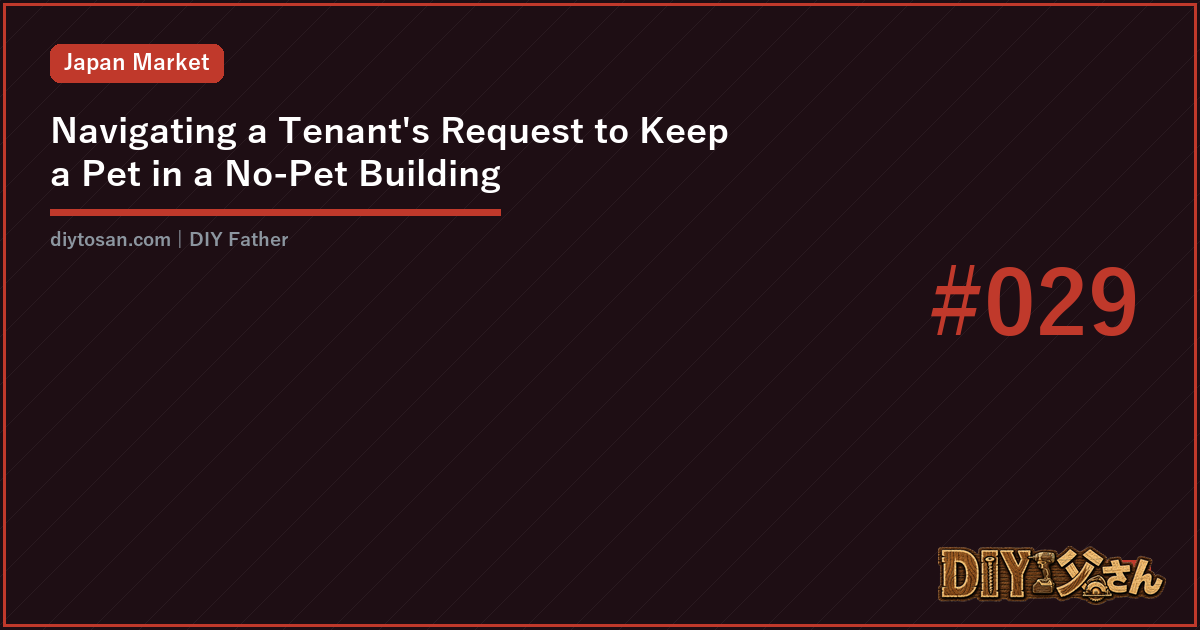
Two years ago, a tenant in one of my nine buildings messaged me in a panic: she’d taken in a stray kitten from behind the building and wanted to know if she could keep it, even though her lease clearly stated no pets. My first instinct was to say no and close the conversation, but after 15 years of self-managing these properties, I’ve learned that an automatic no often costs more than a carefully structured yes.
This isn’t rare. I field some version of this request two or three times a year across my portfolio, and how I respond affects vacancy rates, how much trust my other tenants place in me, and sometimes even my building insurance premiums.
Why No-Pet Rules Exist in the First Place
ud83duded2 RECOMMENDED PRODUCTS
Japan Real Estate Investment Guides
Understand the market before you enter it u2014 these books accelerate your learning curve.
Most no-pet clauses in Japanese rental contracts aren’t arbitrary. They exist because pet damage is expensive and predictable. I once paid 85,000 yen to re-wallpaper a single unit after a previous tenant’s dog scratched through the cross cloth near the door. Replacing tatami mats damaged by claws or accidents typically runs 40,000 to 60,000 yen per room. Add in noise complaints and odor that lingers for months after move-out, and you can see why so many landlords, myself included, default to a blanket ban rather than deal with cases individually.
My First Move: Get the Facts Before Saying Yes or No
ud83duded2 RECOMMENDED ON AMAZON US
Japanese Language Textbooks (N3 Level)
Reading contracts in Japanese removes your dependence on agents and translators.
Before I answer a request, I ask the tenant a short set of questions so I’m deciding based on specifics, not fear. A kitten under 2 kilograms in a concrete-floor unit is a very different risk than a large dog in a wood-frame building with thin walls.
- What kind of animal, breed, and adult size or weight?
- Is the animal already living in the unit, or is this a request before bringing one in?
- Has the tenant kept pets responsibly before, and can they show it (previous landlord reference, vaccination record)?
- What’s directly below, above, and beside this unit u2014 another tenant, a shared hallway, or an exterior wall?
- Is the tenant willing to pay an additional deposit and monthly fee?
I usually get answers within 48 hours, and the response tells me almost as much as the content. A tenant who ignores half the questions is telling me something too.
Weighing the Real Costs and Risks
Once I have the facts, I run rough numbers. A cat in a single unit rarely causes more than 20,000 to 30,000 yen in extra cleaning at move-out if the tenant takes reasonable care. A dog that barks during the day in a building with four or fewer units can trigger complaints that push a neighboring tenant to leave u2014 and re-leasing a vacant unit typically costs me one to two months of lost rent plus around 50,000 yen in cleaning and minor repairs before the next tenant moves in. I also check my landlord liability insurance policy, since some plans exclude pet-related damage entirely unless I’ve declared it in writing.
Structuring an Agreement That Protects Everyone
ud83duded2 RECOMMENDED PRODUCTS
Due Diligence Checklists & Guides
Never skip due diligence. These tools help you ask the right questions.
When I decide to say yes, I never just verbally agree and move on. I amend the lease with a pet rider that spells out the terms. My standard version includes a one-time pet deposit of 30,000 yen on top of the regular security deposit, a monthly pet rent of 5,000 yen, and a weight cap of 5 kilograms for the unit in question. I also specify that the animal must be a cat or small dog only, that it can’t be left on balconies, and that any noise complaint from a neighbor within the first 90 days gives me the right to revisit the agreement. Right now, 3 of my 9 buildings operate under this kind of conditional pet policy, and none of the three have had a complaint serious enough to require intervention in the past 18 months.
When I Say No, and How I Say It
I still decline more often than I approve, mainly for older wood-frame buildings with paper-thin walls or units where I already have a tenant with a documented allergy. When I say no, I explain the specific reason rather than just citing the contract u2014 tenants respond much better to hearing that the building next door had a 200,000 yen odor remediation bill than to a flat refusal. I also offer an alternative when I can, such as pointing them toward one of my pet-friendly units if a vacancy is coming up, which has kept at least two tenants from breaking a lease early rather than losing them entirely.
Updating the Lease and the Building Rules
If I approve a pet, I don’t stop at the individual tenant’s contract. I notify the building’s other residents in writing that a pet now lives on the property, which cuts down on surprise complaints later. I also keep my internal management sheet updated so I apply the same standard consistently u2014 nothing damages tenant trust faster than approving a dog for one person and refusing a smaller cat for another with no clear reason. Since I started handling these requests with a documented process instead of a gut reaction, my pet-related inquiries have actually gone up by roughly 20%, but my pet-related disputes have dropped to nearly zero.
That’s the approach I use across all 9 of my properties: get the facts first, put the terms in writing, and treat every request as a negotiation rather than a yes-or-no button.
Complete Roadmap: First Rental Property in Japan
Everything I wish I knew before my first purchase u2014 financing, due diligence, negotiation, and year-one management guide.
ud83cudfe0 More from DIY Father
15 years of landlord experience u00b7 3 apartment buildings u00b7 DIY renovations that saved millions of yen. Browse all articles at diytosan.com