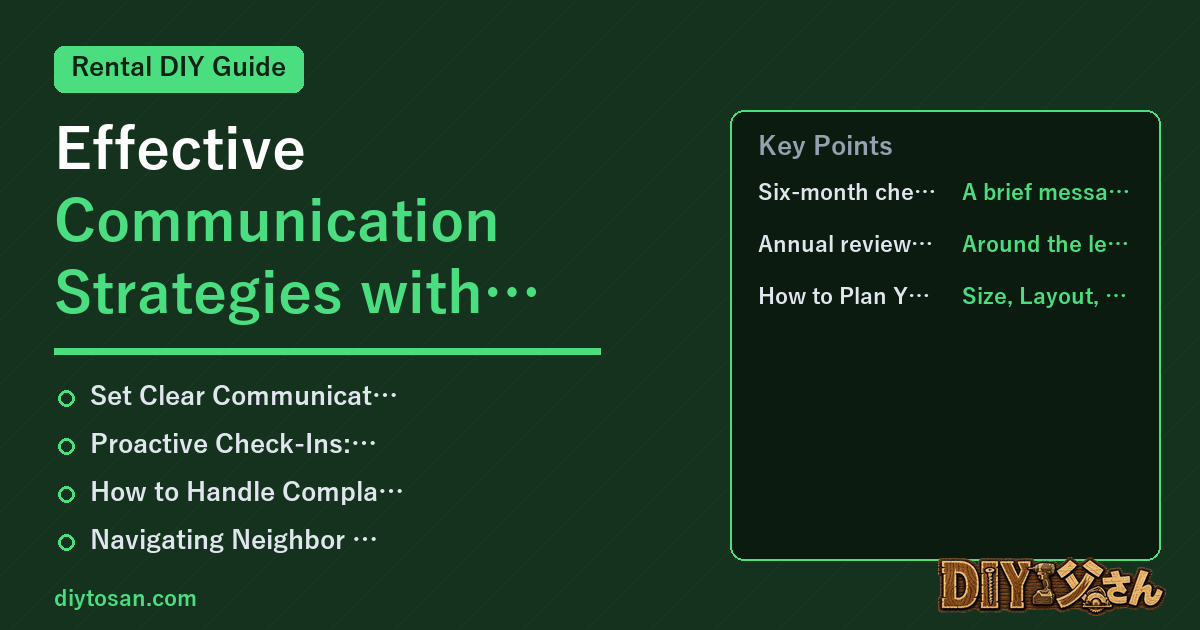
Effective Communication Strategies with Japanese Tenants
Communication between landlord and tenant in Japan has some cultural nuances that surprised me early on. Japanese tenants tend to be more hesitant to report problems or make requests than I initially expected u2014 not because nothing is wrong, but because they don’t want to be a burden or cause trouble (meiwaku). Once I understood this, I changed how I reach out proactively and how I structure my availability. The quality of my tenant relationships improved dramatically.
Set Clear Communication Channels from Day One
ud83duded2 RECOMMENDED ON AMAZON US
Top Property Management Books
Build the knowledge base that separates professional landlords from amateur ones.
At move-in, I hand every new tenant a simple one-page document I call the “Contact Guide.” It lists:
- My cell phone number for genuine emergencies (water leak, locked out, gas smell)
- My preferred contact method for routine matters u2014 in my case, Line messaging
- My response window u2014 I commit to responding within 24 hours on weekdays and 48 hours on weekends
- The property’s utility contacts (gas, water, electric) and their emergency numbers
- The contact for the guarantee company if they have rent-related questions
Line (the messaging app) is the dominant communication platform in Japan and it’s what nearly all of my tenants prefer. It’s faster than email, more professional-feeling than a raw text message, and I can easily keep message history organized by tenant. I maintain a separate Line account dedicated to property management so I’m not mixing personal and business messages.
Proactive Check-Ins: The Move-In, Six-Month, and Annual Touchpoints
ud83duded2 RECOMMENDED PRODUCTS
Landlord-Tenant Law Guides
Know exactly what you can and cannot do u2014 essential reading before any dispute.
Rather than only hearing from tenants when something breaks, I’ve built three structured touchpoints into my calendar:
- Move-in check (one week after move-in): A short message asking if everything is working properly and if they have any questions. This catches small issues early u2014 a sticky lock, a drain that’s slow, a window seal that lets in a draft u2014 before they become bigger problems. It also signals to the tenant that I’m attentive and approachable.
- Six-month check-in: A brief message acknowledging they’ve been there half a year, asking if there’s anything they’d like to flag. I also use this as an opportunity to remind them of seasonal maintenance items u2014 cleaning the range hood filter, checking the smoke detector battery, and proper ventilation habits in winter to prevent mold.
- Annual review message: Around the lease anniversary, I send a note thanking them for the year, reminding them of the upcoming renewal (if applicable), and asking if there are any repairs or concerns they’ve been meaning to mention.
These touchpoints take me about ten minutes each but they surface issues I’d otherwise only discover during a move-out inspection. Catching a mold problem at six months costs far less than discovering it at three years.
How to Handle Complaints Without Escalation
When a tenant contacts me with a complaint u2014 a noise problem with a neighbor, a repair that’s taking too long, frustration about something in the building u2014 my default approach is to acknowledge before I explain or defend. In Japan, feeling heard is often more important to people than the actual resolution timeline.
My response formula for complaints:
- Acknowledge the issue immediately (“Thank you for letting me know u2014 I understand this is frustrating”)
- Give a concrete next step with a timeline (“I’ll contact the contractor today and get back to you by Thursday with a scheduled date”)
- Follow through exactly as promised, or contact them before the deadline if there’s a delay
What I try never to do: go silent, make excuses, or push back on the tenant’s perception of the problem. Even if I privately think the complaint is minor, dismissing it creates resentment. A tenant who feels dismissed doesn’t report the next problem u2014 they just let it fester until move-out, and then I find it during the inspection.
Navigating Neighbor and Building Disputes
ud83duded2 RECOMMENDED PRODUCTS
Property Inspection Forms & Checklists
Document everything. A signed checklist at move-in prevents every deposit dispute.
If I have multiple units in one building, I occasionally have tenant-to-tenant conflicts u2014 noise, shared laundry area disputes, bicycle parking violations. My policy is to be a mediator, not a judge. I contact both parties separately, hear each side, and then respond to each with an explanation of the building rules and a request for compliance. I don’t reveal what one tenant said to the other.
For neighbor disputes involving tenants in other buildings (not my units), my role is more limited. I can ask my tenant to be mindful of the neighbor’s concerns, but I can’t compel an outside party. I document these situations carefully in case they escalate to formal complaints.
The communication principle that’s served me best across all situations: be quick to respond, clear in expectations, and consistent in follow-through. Tenants who trust that I mean what I say cause fewer problems, stay longer, and treat the property better. That trust is built one small interaction at a time.
Property Management Company Evaluation u2014 12-Point Checklist
Developed after switching management companies twice. Saves you from costly mistakes that took me years to learn.
ud83cudfe0 More from DIY Father
15 years of landlord experience u00b7 3 apartment buildings u00b7 DIY renovations that saved millions of yen. Browse all articles at diytosan.com